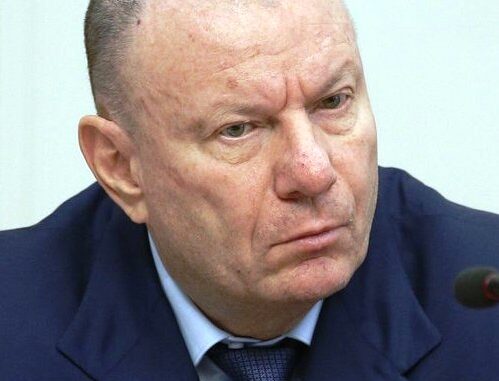
Vladimir Potanin is one of Russia’s most powerful oligarchs and business executives, having played a central role in the economic restructuring of post-Soviet Russia. Known as a key architect of the loans-for-shares auctions in the 1990s, he has built a massive business empire centered around natural resources and metallurgy.
Vladimir Potanin Net Worth in 2026
As of 2026, Vladimir Potanin’s estimated net worth is $17.3 billion.
His fortune is largely derived from his significant ownership stake in Norilsk Nickel (Nornickel), the world’s largest producer of high-grade nickel and palladium, alongside substantial banking investments.
Sources of Income
1. Norilsk Nickel (Nornickel) Dividends
Potanin’s primary income stream comes from his major stake in Nornickel, which regularly distributes substantial dividends to its shareholders.
2. Banking and Finance
Through his holding company, Interros, Potanin has acquired major financial assets, including Rosbank and Tinkoff Bank.
3. Mining and Industrial Operations
He has expanded his raw materials business to include mining ventures across Russia and northern Europe.
4. Venture Capital Investments
Interros actively manages a diverse portfolio of investments in technology, pharmaceuticals, and tourism.
Biography
| Full Name | Vladimir Olegovich Potanin |
|---|---|
| Date of Birth | 3 January 1961 |
| Age (2026) | 65 years |
| Birthplace | Moscow, Russian SFSR, Soviet Union |
| Nationality | Russian |
| Height | 1.78 m |
| Position | President of Interros / CEO of Nornickel |
| Current Office (2026) | CEO of Norilsk Nickel |
| Key Business Interest | Interros, Nornickel, Rosbank |
| Education | Moscow State Institute of International Relations (MGIMO) |
Vladimir Potanin was born into a high-ranking Soviet diplomatic family and graduated from the prestigious Moscow State Institute of International Relations (MGIMO) before working in the Ministry of Foreign Trade.
Career Highlights
Ministry of Foreign Trade
Potanin began his career in the Soviet bureaucracy, gaining deep insights into international trade and commodities markets.
Founding Interros
In 1990, he founded the Interros Association, which quickly grew into one of Russia’s premier private holding companies.
Loans-for-Shares Program
Potanin designed and participated in the loans-for-shares auctions of 1995, which allowed private investors to acquire stakes in major state enterprises.
Acquisition of Nornickel
Through these auctions, Potanin acquired a controlling interest in Norilsk Nickel, transforming it into a highly profitable global exporter.
Deputy Prime Minister
He served briefly as First Deputy Prime Minister of the Russian Federation from 1996 to 1997, focusing on economic reform.
Cars and Houses
Cars
Potanin possesses a fleet of armored luxury vehicles for his security in Moscow, including high-end models from Mercedes-Maybach and Lexus.
Houses
He owns massive, highly secured estates in the prestigious Rublyovka suburb of Moscow, alongside luxury chalets near Sochi and properties abroad.
Business and Endorsements
As an industrial oligarch, Potanin does not participate in consumer endorsements. Instead, he directs his focus toward arts philanthropy, serving as a major trustee of the State Hermitage Museum and funding the Potanin Foundation.
Personal Life
Potanin divorced his first wife, Natalia, in 2014 after a highly publicized and legally complex asset division process. He married his second wife, Ekaterina, in 2014, and he is a father of five children.
Conclusion
Vladimir Potanin remains one of the most resilient and strategically vital businessmen in Russia. His stewardship of Nornickel and deep ties to the financial sector ensure his continued economic influence.
FAQs
1. What is Vladimir Potanin’s net worth in 2026?
His estimated net worth is $17.3 billion.
2. How old is Vladimir Potanin?
He is 65 years old as of 2026.
3. What is his main source of wealth?
His main source of wealth is his ownership stake in Norilsk Nickel (Nornickel).
4. What government role did he hold?
He served as First Deputy Prime Minister of Russia in the late 1990s.
5. What holding company does he own?
He owns and controls the Interros Group.
6. Is he active in philanthropy?
Yes, he runs the Vladimir Potanin Foundation and supports major cultural institutions like the Hermitage Museum.

Leave a Reply